67. Give people what they want (using their love languages)
The holiday season is upon us, and that usually means hunting for gifts … and hoping we get it right. But what if there were a better way to show you care—one that builds connection?
Data point of the week
Most Americans (96%) buy gifts for their families. But our confidence in gift-giving varies. Three out of four women (77%) say they’re “very good” or excellent at choosing gifts, compared to less than half (46%) of men. The rest rated themselves as “mediocre,” “bad,” or “awful.”
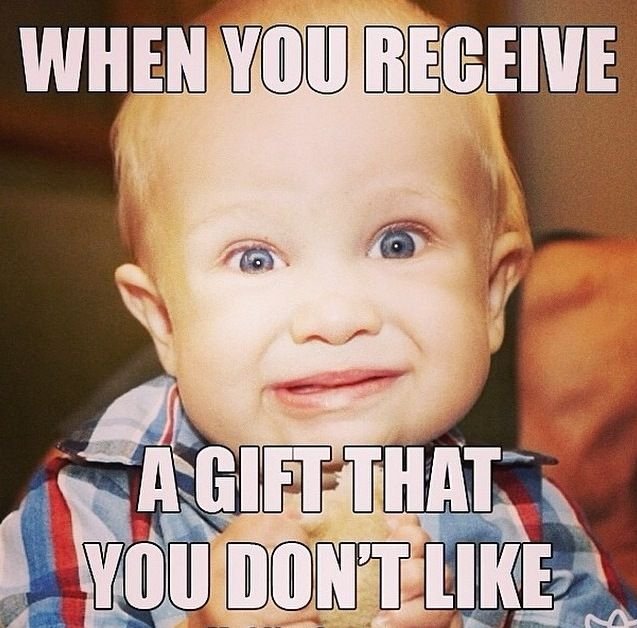
Three quarters of people (76%) have faked enthusiasm or downright lied about liking a gift they’d received, which goes to show how hard it is to figure out what people want!
Connection Reflection
Gift-giving is a big part of our culture … but even with good intentions, we often miss the mark. I’ll be honest, getting people individual gifts stresses me out! (A Yankee Swap feels more fun because it takes the pressure off).
But what about trying a completely different approach—focusing more on connection and less on “stuff”?
Try starting with the question, “What makes this person feel truly valued?” One way to explore that is through their “love languages”—the specific ways they feel most appreciated.
The 5 love languages were developed for romantic relationships, but with a little imagination they can translate to friendships, family, and even work relationships!
My top love language is words of affirmation—and unsurprisingly (given my gift angst) receiving gifts ranked dead last.

Art by Barbara Rucci
Connection Skill & Action Step: Give what other people want to receive most.
Make a fun activity out of taking the 5 love languages quiz with your friends, partner, or kids, and use it as a jumping off point to talk about what makes each of you feel most connected. (I’m planning this as a group friend date myself).
If you’re giving gifts this holiday season, let the recipients’ primary love language guide you. For example:
Words of affirmation: Write a card (or ode) detailing exactly what you appreciate about them.
Acts of service: Offer help with a project they’ve been putting off.
Receiving gifts: Choose something personal and meaningful—handmade or bought.
Quality time: Plan an experience you can enjoy together—dinner, a hike, a show.
Physical touch: Book a spa day together or gift them a foot massage.
Tip: if these categories don’t quite fit, make up your own! Connection isn’t one-size-fits-all.
Weekly Questions (Please share your responses in the comments below—I love hearing from you)
What’s your top love language? Does it change in friendships vs. romantic relationships?
Is what you most want to receive the same as what you’re best at giving?

The packaging is important too!