
37. Apologize well (and avoid these common mistakes)
We all mess up sometimes. Yes, I know, it’s extremely rare for me too 😉. But when it does happen, how you handle it matters — sometimes more than the mistake itself. This post is pulled from a section of the book I'm writing on building connection in the groups, organizations, and communities we're part of.
Let’s dive into the good, the bad, and the ugly of apologies, and what sets them apart.
Note: I’m talking about meaningful apologies here — not the “oops, sorry” kind.
What? Connection Factoid
Sometimes, over the course of a hard conversation, it becomes clear that an apology is what's needed to repair things. Other times, you don't need a conversation to know you've messed up — it's obvious the moment it happens.
Fortunately, a good apology goes a long way toward healing rifts and can even strengthen the relationship. In her article The Psychology of Offering an Apology, researcher Karina Schumann found that:
“…an apology is one of the most powerful tools that transgressors can use to resolve an offense, both in their own eyes and in the eyes of the victim.”
A good apology helps the other person feel validated, think better of you, and move forward from the offense.
On the other hand, a bad apology can be worse than none at all. From Schumann’s research:
“…transgressors often choose to offer a perfunctory apology, withhold an apology, or respond defensively to the victim.”
Low concern for the relationship
Threat to the transgressor’s self-image
The perception that the apology won’t make a difference
So What?
Even a relationship you don't feel particularly invested in still deserves basic respect — that rules out #1. And #3 usually sells the apology short; it matters more than we give it credit for.
Which leaves #2. We fear that admitting we did something wrong is the same as saying there’s something wrong with us.

It’s hard to eat humble pie!
I admit, this one is hard for me. Somewhere along the way I seem to have internalized the idea that I’m not supposed to make mistakes … even though I’m the first to tell other people that mistakes are part of being human.
Acknowledging I've done something wrong or hurt someone—even when I feel my actions were justified—violates my 'good person' identity.
Fortunately, Schumann identified two strategies that help get past that defensiveness and apologize more effectively.
Now What? Connection Practice: Apologize well
Complete a values affirmation exercise. This involves choosing a value that’s important to you and reflecting on how you express it in your day-to-day life. It works because it focuses attention on your strengths, protecting a positive self-image.
Complete a growth mindset intervention. This involves reading an article, watching a video, or listening to a story that highlights the idea that personality traits, skills, and abilities are changeable rather than fixed. It works because it helps people view their mistake as an opportunity for growth instead of a negative reflection on their character.
The next time you find yourself squirming over making an apology, take a few minutes to focus on a value you care about, or remind yourself that you—and the other person—can change.
The Anatomy of an Effective Apology
What does a good apology actually look like? These 3 steps are adapted from a framework developed by the Greater Good Science Center at UC Berkeley.
Acknowledge the offense. Name exactly what you did. Describe its impact on the other person. Take responsibility — no hedging.
Express remorse for the impact. Show you understand the hurt it caused, and that you genuinely regret it.
Make amends. Commit to repairing the damage you’ve caused. This could include rebuilding trust, taking care of any practical impacts (such as repairing an item you broke or repaying money you borrowed), and/or working on improving your relationship.
What this sounds like
Bad: “I’m sorry you’re upset.” Rejects responsibility. Expresses regret for the outcome, not the action. Implies the other person is overreacting.
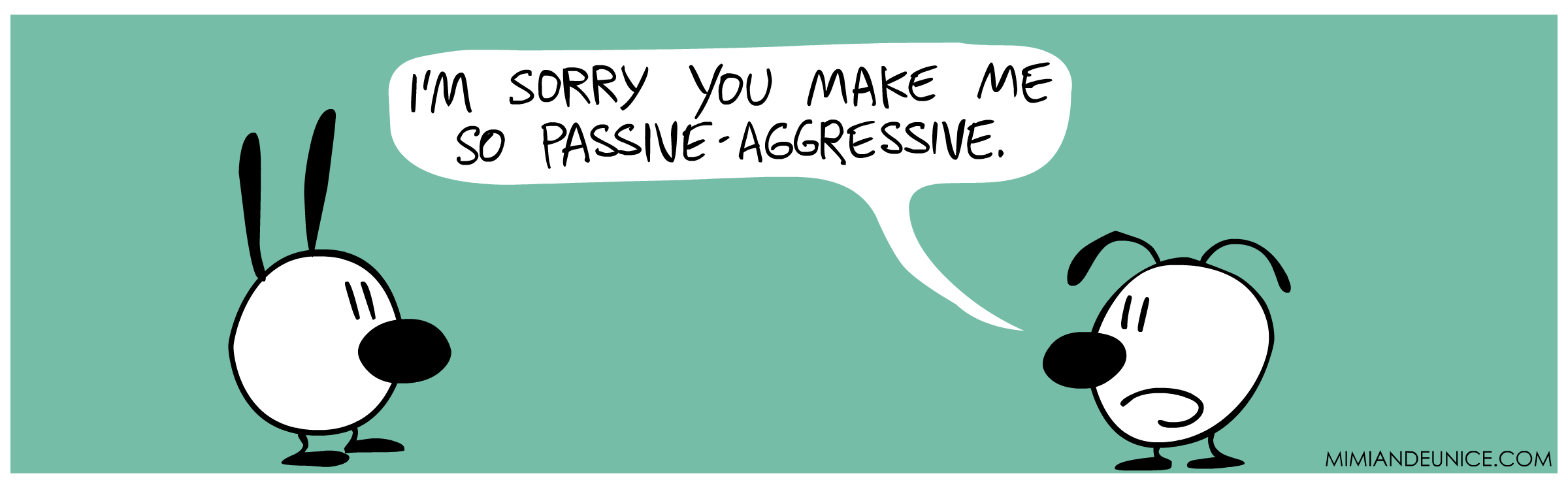
Better: “I’m sorry I upset you.” Acknowledges responsibility and impact — but is still vague, and may come across as dismissive.
Best: “I’m really sorry I [specifically name what you did]. I get why you’re [describe their reaction and the impact of your behavior]. Next time I will [say specifically what you’ll do differently, or to repair the damage you’ve caused].
Example: "I'm sorry I let the meeting run over. I recognize how frustrating that is when everyone has so much to do, and that it eats into time you don't have. In the future, I'll make sure we prioritize the most urgent agenda items and end on schedule, even if we don’t get to everything.”
Common Pitfalls
Explaining instead of apologizing. There’s a strong impulse when apologizing to explain our actions — “sorry, but this is why I did what I did.” You’ve probably been on the receiving end of that kind of apology and know how unsatisfying it is. It reads as an excuse, not accountability.
Some apology frameworks — including Greater Good's — list an explanation as a core step. In my experience, this backfires more often than it helps. If the other person wants to understand the “why” behind your actions, a brief explanation is fine. But, beware the slippery slope from explanation into justification.
Turning the apology into self-punishment. This is the opposite trap: instead of trying to explain your way out of guilt, you beat yourself up so much that it becomes about managing your emotions, not theirs.
Justifying and self-flagellating do the same thing — they shift the focus off the person you hurt and onto yourself. If you go on and on about how terrible you feel, the other person ends up comforting you instead of the other way around. You might feel better. They probably won't.
Caveat: Speaking of over-apologizing … women apologize 25% more than men, at an average of 10 times a day. If you’re a woman, trans, person of color, or have another minoritized identity, it can be a valuable exercise to train yourself out of verbal habits that undermine authority, confidence, and the power of your message. FYI, there’s an app (of course!) that removes qualifiers like “just” and “sorry” from your emails.
Questions: Please share your responses in the comments. We love hearing from you!
What's an apology that's stuck with you — good or bad?